
Two names, two very different worlds. One runs a snack giant behind Oreo and Cadbury. The other once led the United States. So why do people search for Dirk Van de Put and Barack Obama together? Curiosity, mostly.
You may want their backgrounds, their wealth, or their leadership styles. You’ll get facts, clear comparisons, and lessons you can use. Stick around. The details are surprisingly useful. Here’s what’s real. Ready?
Table of Contents
Who Is Dirk Van de Put?
Dirk Van de Put is a Belgian executive. He is the chairman and CEO of Mondelēz International, one of the largest snack companies on Earth. He took the top job in November 2017 and later added the chairman title. In short, he’s the Dirk Van de Put Mondelēz CEO that business readers know.
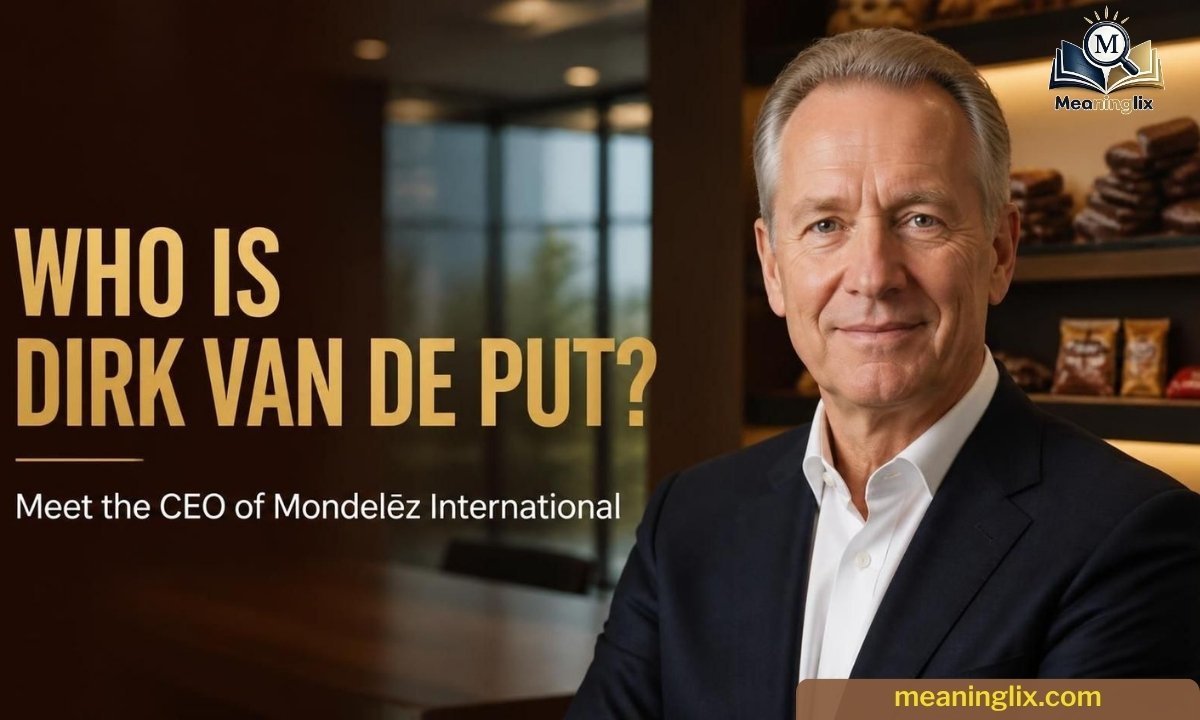
His Dirk Van de Put biography reads like a world tour. He earned degrees in Belgium, including an MBA from the University of Antwerp. Then he climbed through global food and consumer companies:
- Mars: general manager and president for the Southern Cone region in South America
- Coca-Cola: president of the Caribbean division
- Danone: president of the Americas and fresh dairy division
- Novartis: president of the global over the counter division
- McCain Foods: president and CEO before he joined Mondelēz
He also sits on the board of Anheuser-Busch InBev and chairs The Consumer Goods Forum. That’s a lot of titles. Yet his story stays simple. He spent decades learning how products move from factory to shelf.
Dirk Van de Put Net Worth 2026
You’ll see wildly different numbers online. Some sites claim $250 million. Others say $150 million. Those figures rarely show their math.
Public filings tell a cleaner story. Market data from early 2026 valued his Mondelēz shares near $78 million. After a stock sale in August 2026, trackers pegged his holdings around $85 million. His reported 2025 pay package reached about $24.5 million, according to the company’s proxy statement. Treat any Dirk Van de Put net worth 2026 figure as an estimate. Shares move daily. Private assets stay private.
Corporate Leadership Experience
Van de Put’s Dirk Van de Put business career shows one pattern. He fixes big, slow systems. At McCain, he pushed growth across many countries. At Mondelēz, he shifted the company toward a clear idea: snacking.
That focus mattered. Mondelēz sells Oreo, Ritz, belVita, Milka, Toblerone, and Cadbury. It employs roughly 91,000 people and earns tens of billions of dollars in sales every year. Its net income has recently run around $3.5 billion.
Here’s a quick example. In 2022, Mondelēz bought Clif Bar for about $2.9 billion. The deal added energy bars and a younger, health minded shopper. Smart move? Many analysts thought so. It matched his plan to grow in faster categories.
His Dirk Van de Put leadership experience also includes hard times. Cocoa prices jumped sharply in recent years. Costs rose. Shoppers noticed higher prices on chocolate. A CEO in that spot must protect profit and keep customers happy. That’s tough juggling.
Who Is Barack Obama?
Barack Hussein Obama II was born on August 4, 1961, in Honolulu, Hawaii. His mother came from Kansas. His father came from Kenya. As a boy, he lived for several years in Indonesia. Friends called him Barry back then.
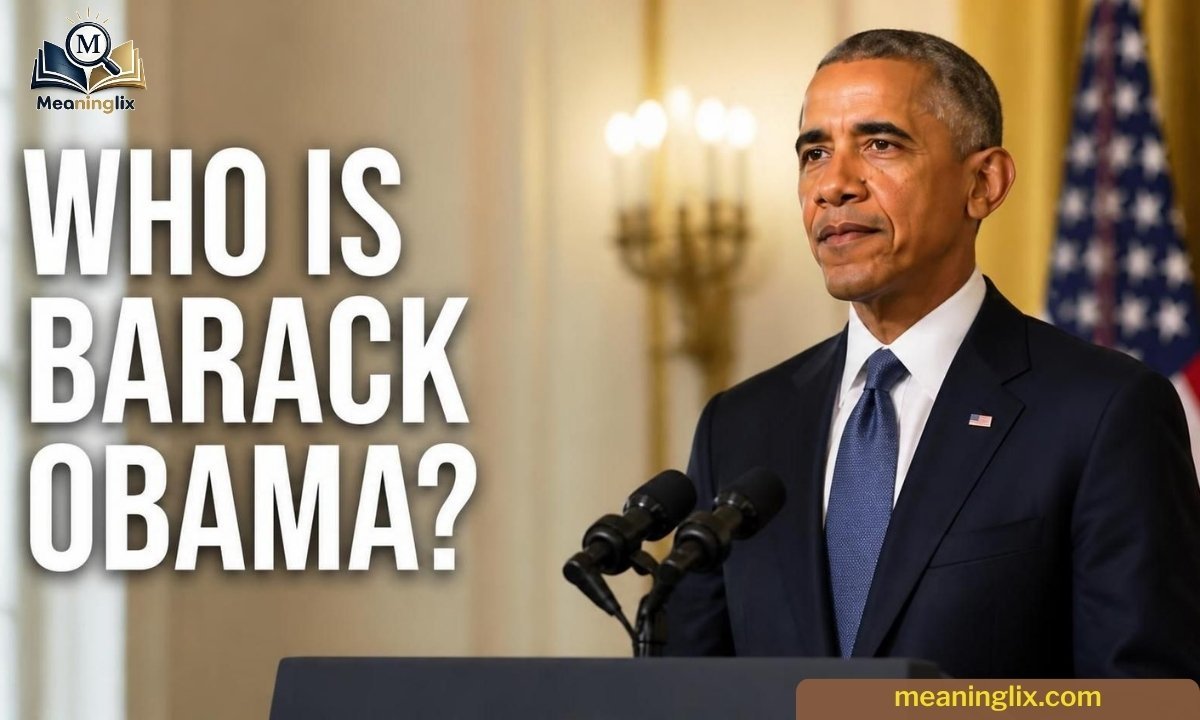
This Barack Obama biography moves fast. He studied at Occidental College and then Columbia University. He worked as a community organizer in Chicago. Next came Harvard Law School, where he became the first Black president of the Harvard Law Review. He later wrote a memoir called Dreams from My Father.
Today, he’s the 44th president of the United States. He served two terms from 2009 to 2017. After leaving office, he launched the Obama Foundation and wrote A Promised Land.
Barack Obama Net Worth 2026
Most estimates for the Barack Obama net worth 2026 land near $70 million. Book deals, speeches, and media projects drive much of that wealth. His presidential salary was $400,000 a year. That’s small next to his later earnings. Still, nobody outside his circle knows the exact number.
| Leader | Public Wealth Signal | Main Source of Value |
| Dirk Van de Put | About $78 to $85 million in company shares (2026) | Executive pay and stock awards |
| Barack Obama | Estimates near $70 million | Books, speaking, media deals |
Political Leadership Experience
Obama’s political career started local. He served in the Illinois State Senate from 1997 to 2004. Then he won a U.S. Senate seat in 2004 and entered the White House four years later.
His time in office shaped modern America. He signed the Affordable Care Act in 2010. His administration also backed financial reform after the 2008 crisis. In May 2011, U.S. forces carried out the raid that killed Osama bin Laden. Later, the U.S. joined the Paris climate agreement in 2015.
The Barack Obama leadership style leans calm. Aides often describe a thoughtful, even tempered boss who asked many questions before he chose. Critics sometimes called that approach too cautious. Supporters called it steady. Either way, you can see the pattern: listen, weigh, decide.
| Don’t Skip These Articles |
| Nelson Peltz and Amancio Ortega: Discover Their Wealth |
| Richard Liu and Serena Williams: Discover Their Untold Stories |
Are Their Careers Connected?
Here’s the honest answer. No public record shows a personal or business tie between them. You won’t find a joint project, a documented partnership, or a famous meeting.
The timing also shows why. Obama left office in January 2017. Van de Put started at Mondelēz in November 2017. Their paths never overlapped in a public role.
So what’s the Dirk Van de Put and Barack Obama connection? Mostly, it’s a search habit. People often type two famous leaders in one query to compare them. That’s it. Anyone claiming a secret link should show proof. If they can’t, skip the story.
Comparing Their Leadership Environments
Corporate leadership vs political leadership is a classic debate. The jobs look alike on the surface. Both leaders manage huge teams and face the public. Yet the rules differ a lot.
| Factor | Mondelēz CEO | U.S. President |
| Who judges success | Shareholders and the board | Voters, Congress, courts |
| Main scoreboard | Sales, profit, share price | Laws, approval, outcomes |
| Time horizon | Quarterly reports and long plans | Four year terms |
| Power to act | Strong inside the company | Shared and often checked |
| Public scrutiny | Moderate | Extreme |
A CEO can often reorganize a division fast. A president needs Congress, agencies, and public support. That’s why political change feels slow. It’s built that way.
Communication and Public Visibility
Obama became famous for speeches. He could move a crowd and then switch to a quiet, personal chat. His 2004 convention speech launched him nationally. Voters felt he spoke to them, not at them.
Van de Put works in a quieter spotlight. He talks to investors, employees, and industry groups. You’ll rarely see him on a talk show. Still, he must explain company strategy clearly. A confusing message can hurt a stock price within hours.
Here’s a short case study. In 2016, Obama sat down with chef Anthony Bourdain in Hanoi. They shared a cheap bowl of noodles on small plastic stools. That meal said more about his approachable image than a dozen formal speeches. Public leaders use moments like that on purpose. Corporate leaders often rely on product launches and earnings calls instead.
Decision-Making Under Pressure
Pressure looks different in each world.
For a CEO: a bad call can cost jobs, profit, or brand trust. Van de Put had to guide a global food company through supply chain trouble and rising ingredient costs. Those choices touch factories in dozens of countries.
For a president: a bad call can cost lives. Obama faced the 2008 financial collapse, wars abroad, and the bin Laden decision. Reports from his team describe long meetings with competing views. He then picked a path and owned it.
Both leaders share a habit. They gather facts first. Then they decide. That’s a good model for any manager.
- Define the problem in one sentence.
- Collect the best data you can.
- Hear opposing views.
- Choose and explain why.
- Review results and adjust.
Global Perspective
Both men grew up with a wide view of the world. Obama spent part of his childhood in Indonesia and led a country with allies on every continent. His foreign policy mixed diplomacy, trade, and military action.
Van de Put worked in Latin America, the Caribbean, North America, and Europe. Mondelēz sells in more than 150 countries. A cookie that works in Chicago might flop in Jakarta. So he needs local insight and global scale at once.
That’s a rare skill. It means you respect differences without losing your core message.
Lessons for Modern Leadership
What can you take from these leaders? Plenty. The best leadership lessons from business and politics are simple.
- Pick a clear focus. Mondelēz grew by leaning into snacking.
- Stay calm. Obama’s even tone helped in tense moments.
- Listen first. Both leaders built careers on learning from many people.
- Think global. Local wins matter less if you ignore the bigger picture.
- Own your choices. Good leaders explain decisions and accept the results.
Think of it like cooking. Business gives you the recipe and the timer. Politics teaches you how to feed a crowd with different tastes. You need both skills.
An Evidence-Based Reading Approach
Search results can mislead. A catchy headline doesn’t prove a claim. So use a simple method when you read about public figures.
- Start with primary sources, like company filings and official biographies.
- Check dates. A number from 2021 may not fit 2026.
- Compare at least three sources before you trust a statistic.
- Separate facts from guesses. Words like “estimated” and “reportedly” signal uncertainty.
- Ignore posts that give wealth numbers with no explanation.
For example, the Mondelēz proxy statement lists executive pay in exact dollars. That’s far stronger than a random blog’s guess. Use this approach and you’ll avoid most myths.
E-E-A-T and Reader Trust
Trust comes from showing your work. Good content about leaders should use reliable records, name its limits, and avoid hype. That’s why this piece flags estimates and admits when a link between two people doesn’t exist.
You can apply the same filter yourself:
| Trust Signal | What to Look For |
| Experience | Writers who cite real events and documents |
| Expertise | Clear, accurate use of business and political terms |
| Authority | References to filings, official bios, and major reporting |
| Trustworthiness | Honest limits and clear dates |
If a page promises “secret facts” about a famous CEO or president, be careful. Real research rarely sounds like clickbait.
Why People Search These Names Together
Several simple reasons explain the pairing:
- Leadership curiosity. Readers like to compare executives with presidents.
- Wealth comparisons. Net worth searches often come in pairs.
- Student research. Business and political science classes use both fields.
- Name recognition. One name is global. The other is rising in business news.
- Autocomplete effects. Search tools suggest popular combos, which feeds more searches.
Notice something? None of these reasons require a real connection. Interest alone can drive the trend.
What the Comparison Reveals
Put the two careers side by side and a pattern appears. Van de Put succeeded by building focus inside a company. Obama succeeded by building support across a nation.
One leader answers to shareholders and measures results in earnings. The other answered to voters and measured results in laws and public trust. Different scoreboards. Similar skills.
Both needed discipline. Both needed clear messages. Both had to make hard choices with incomplete information. That’s the real takeaway. Leadership changes costumes, but the core habits stay the same.
Frequently Asked Questions
What did Anthony Bourdain say about Obama?
Bourdain shared a simple meal of bún chả and local beer with Obama in Hanoi in 2016 for his show Parts Unknown. He came away impressed by Obama’s easygoing, curious manner. The meal reportedly cost about six dollars in total. Many viewers saw it as a rare, relaxed look at a president.
What is Barack Obama’s original name?
His full birth name is Barack Hussein Obama II. He was named after his father. As a child, he went by “Barry” for years. He later chose to use Barack during his college years.
Why was Obama’s Nobel Prize controversial?
He won the Nobel Peace Prize in 2009, less than nine months into his first term. Nominations closed only about two weeks after he took office. Critics said he hadn’t done enough yet to earn it. Supporters pointed to his push for diplomacy and nuclear arms control. Obama himself said he didn’t feel he belonged with past winners.
Why did Obama’s dad leave him?
Barack Obama Sr. was a Kenyan economist who studied in Hawaii and later at Harvard. His parents divorced in 1964. He returned to Kenya soon after. Young Barack saw him in person only once, in 1971, when he was about ten. His father died in a car crash in 1982. Obama explored this family story in his memoir.
Conclusion
Dirk Van de Put and Barack Obama lead in different arenas. One manages a global snack company. The other guided a nation. No public record shows a personal tie between them. Still, comparing them teaches real lessons.
Business rewards focus and steady results. Politics rewards persuasion and patience. Both demand clear choices under pressure. Check your sources before you trust any wealth number or claim. Then borrow the best habits from each leader. Pick one lesson today and try it.

Alisha Lehmann is the founder and author of Meaninglix. She specializes in explaining word meanings, internet slang, abbreviations, grammar, and English expressions in simple, accurate language. Her goal is to help readers improve their vocabulary and communicate confidently through clear, well-researched, and easy-to-understand content.
1 thought on “Dirk Van de Put and Barack Obama: Discover Their Stories!”